 Menú
Menú

Menú
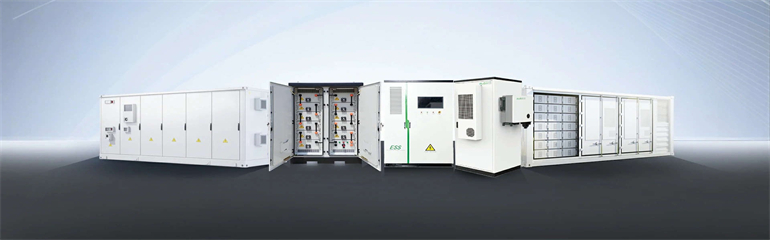
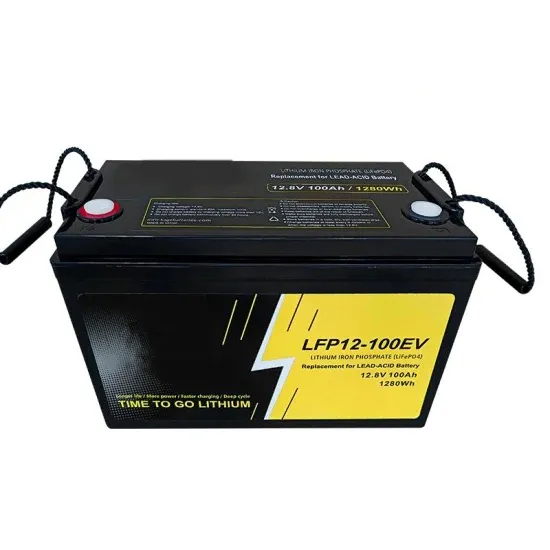
Aprender a conectar el panel solar al inversor puede ahorrarle costes energéticos sustanciales a la vez que le hace menos dependiente de las fuentes de electricidad tradicionales. Esta guía le llevará a través de los pasos necesarios para combinar con éxito estos dos sistemas.
[Versión PDF]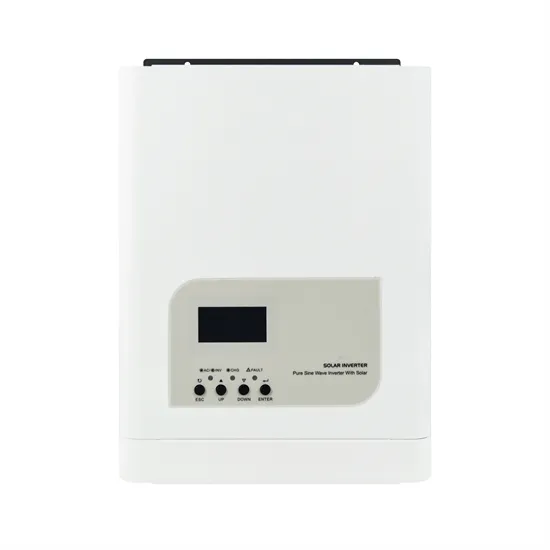
A 620-watt solar panel typically weighs between 40 and 60 kilograms, depending on the materials and design features employed in its construction. The panel is made with 182mm wafers, half-cut cells, and has a power output ranging from 590 to 620 W.
[Versión PDF]
La respuesta es clara: los paneles monocristalinos son la única opción real hoy en España. Los policristalinos fueron útiles en el pasado por su menor coste, pero ya no tienen competitividad frente a la eficiencia y el precio actual de los monocristalinos.
[Versión PDF]
Prices typically range between $300–$800/kWh depending on technology and scale, with lithium-ion systems dominating the market. Technology Type: LiFePO4 (lithium iron phosphate) batteries cost 15–20% more than standard Li-ion but offer longer lifespans.
[Versión PDF]
This article explores how lithium-based systems are transforming renewable energy integration, stabilizing power grids, and supporting Chile's mining sector. Discover market trends, real-world applications, and why companies like EK SOLAR are at the forefront of this.
[Versión PDF]
According to EnergyTrend, the 2011 global top ten, solar cell and solar module manufacturers by capacity were found in countries including People's Republic of China, United States, Taiwan, Germany, Japan, and Korea. In 2011, the global top ten polysilicon makers by capacity were GCL, Hemlock, OCI, Wacker, LDK, REC, /, Tokuyama, LCY and Woongjin, represented by People's Republic of China, Unite.
[Versión PDF]