 Menú
Menú

Menú
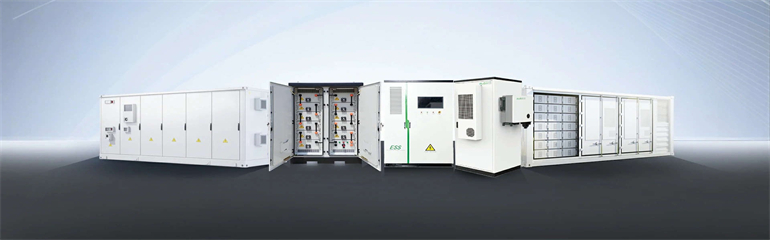
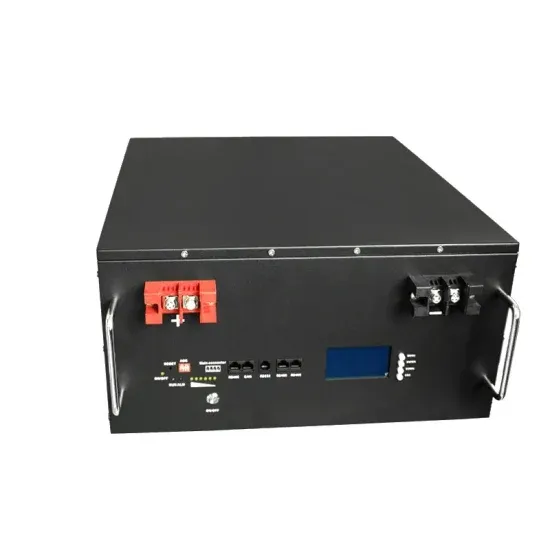
This system uses advanced and safe lithium iron phosphate (LiFePO4) battery technology to provide you with reliable, efficient and long-lasting energy management capabilities, making it an ideal choice for optimizing solar energy utilization, reducing operating costs and improving.
[Versión PDF]
Candidate materials for (SSEs) include ceramics such as, , sulfides and. Mainstream oxide solid electrolytes include Li1.5Al0.5Ge1.5(PO4)3 (LAGP), Li1.4Al0.4Ti1.6(PO4)3 (LATP), perovskite-type Li3xLa2/3-xTiO3 (LLTO), and garnet-type Li6.4La3Zr1.4Ta0.6O12 (LLZO) with metallic Li. The thermal stability versus Li of the four SSEs was in order of LAGP < LATP < LLTO < LLZO. Chloride superionic conductors have been proposed as anoth.
[Versión PDF]
This article explores how lithium-based systems are transforming renewable energy integration, stabilizing power grids, and supporting Chile's mining sector. Discover market trends, real-world applications, and why companies like EK SOLAR are at the forefront of this.
[Versión PDF]
Announced on December 23, 2025, this initiative is part of the Presidential Constituency Energy Initiative (PCEI), which aims to deploy approximately 312 MW of solar capacity and 624 MWh of storage nationwide, addressing the critical energy shortages that Zambia faces.
[Versión PDF]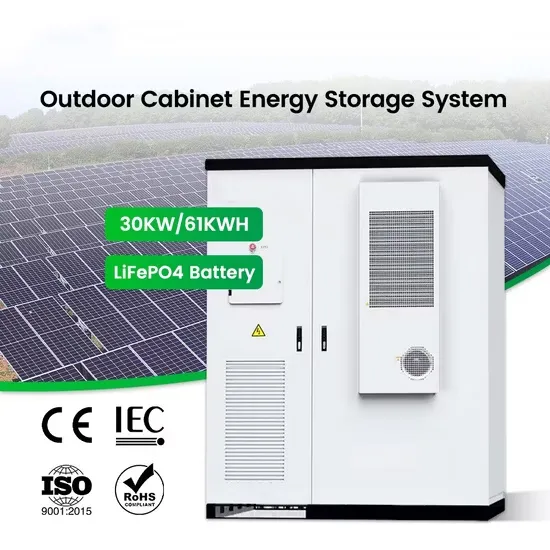
Una nueva asociación entre Red África y con sede en China CEGN está listo para implementarse 50 MWh de almacenamiento de energía en baterías En Zambia, se apoya una adopción más amplia de la energía solar, especialmente fuera del horario diurno.
[Versión PDF]
En Zambia, un país con mucho potencial solar, menos de 6% de los residentes rurales tienen acceso a la energía, dejando a más de un 94% de ellos en la oscuridad. 23% de la generación eléctrica actual del país se basa.
[Versión PDF]